
Grief: understanding the loss of a pet best friend
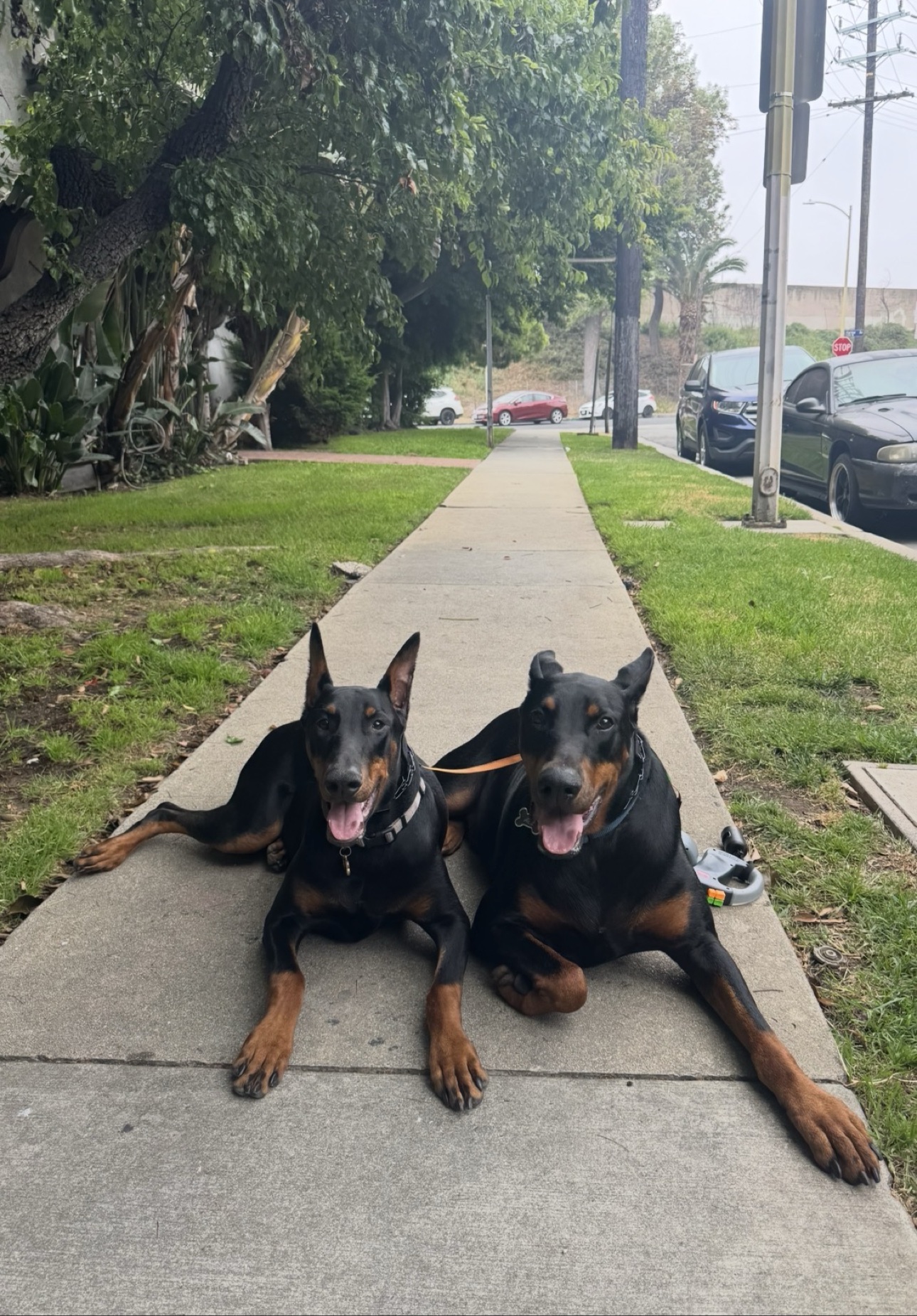
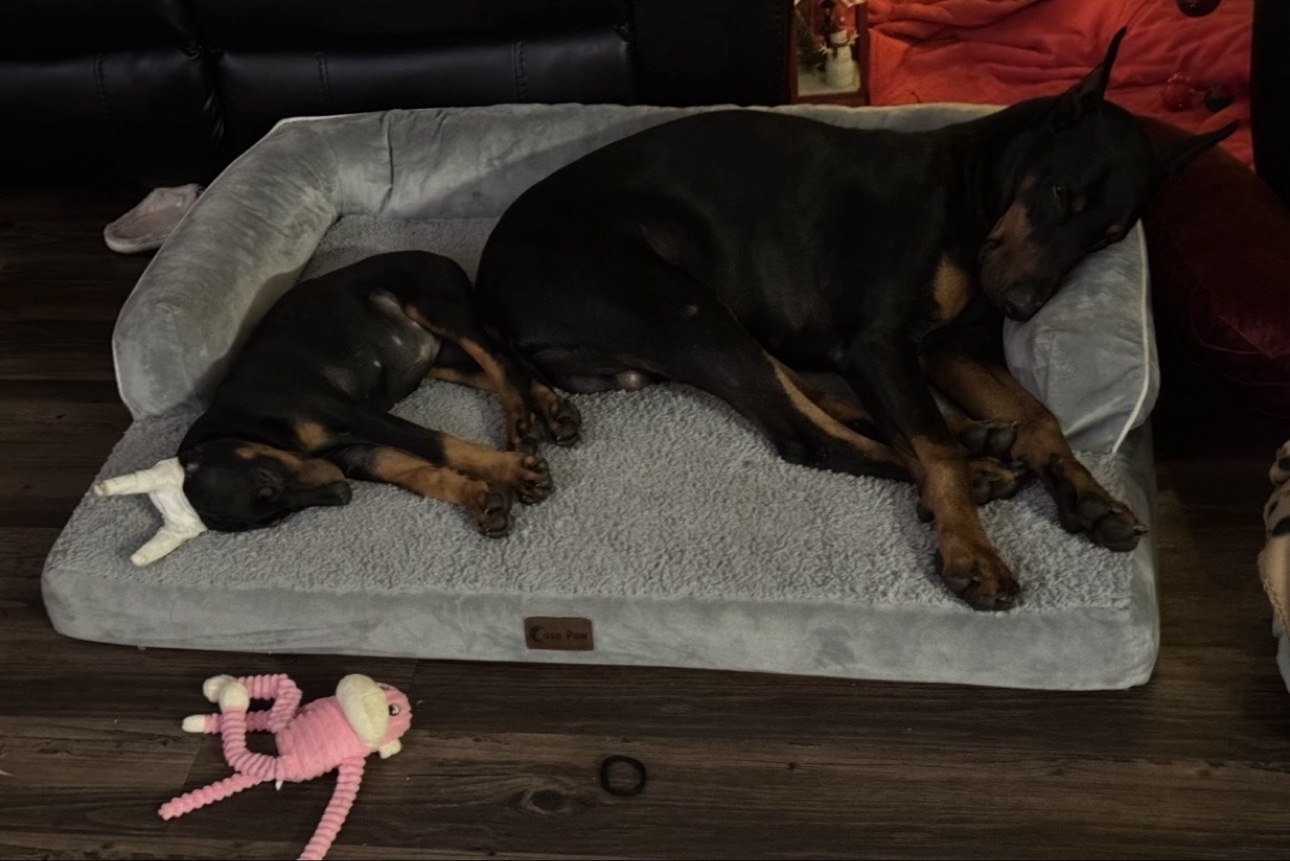
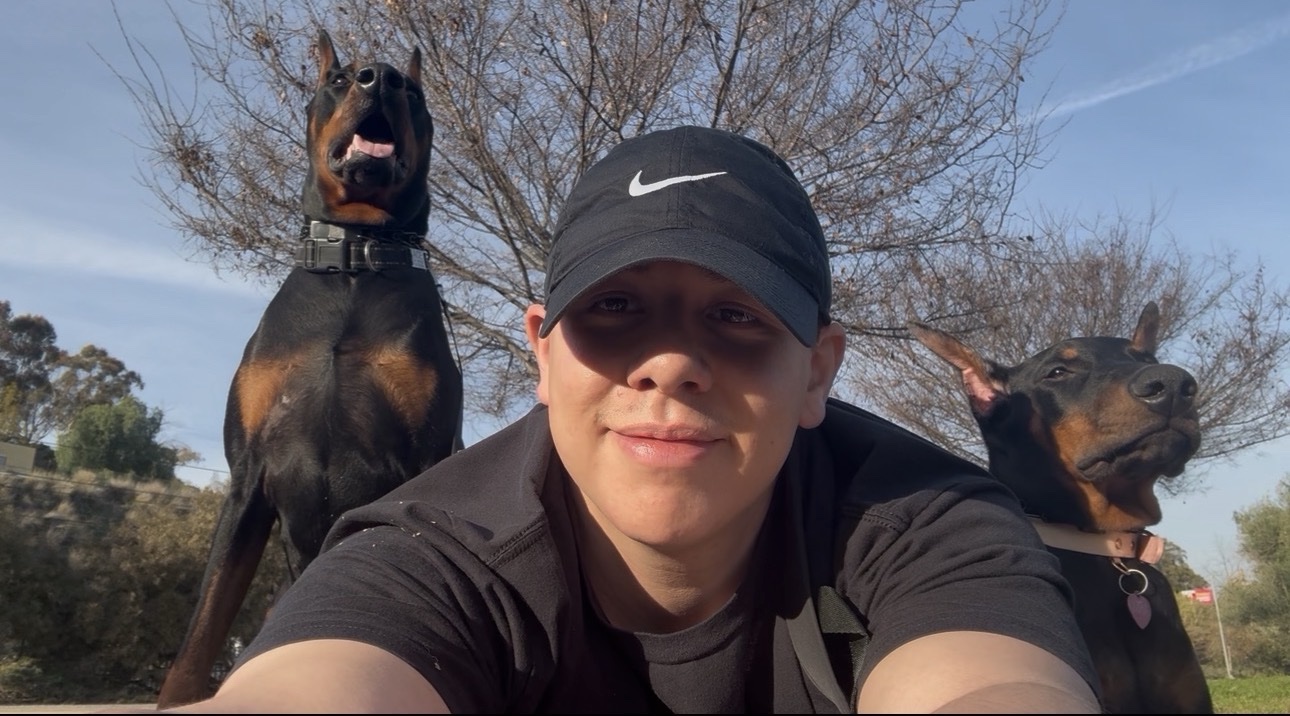
The bigger dog in these photos is Ace. He was my best friend, a Doberman with a huge heart in every sense of the word. He was four years old when I lost him in September 2026 to dilated cardiomyopathy, a heart condition that takes far too many Dobermans far too young. The smaller one is Kira.
If you have ever loved a dog the way I loved Ace, you already know they are not just pets. They are family. He greeted me like I was the best part of his day, every single day. Losing him has been one of the hardest things I have ever lived through.
If you are reading this with a heavy heart, you are far from alone. In a recent study of nearly a thousand adults, about one in three had lived through the death of a beloved pet. Among people who had lost both a pet and a person close to them, one in five said the death of their pet was the most distressing loss they had ever experienced. That finding comes from research published in PLOS One, and it tells us something important: this grief is real, and it can run as deep as any other.
Psychology has a name for what many pet owners feel: disenfranchised grief. It means grieving a loss that the world around you does not fully recognize. People may say it was just a dog, or expect you to move on quickly. I have felt that too. So many owners hide their grief instead. In one survey, more than one in ten kept their pet loss entirely private. Hiding it does not make it smaller. It only makes it lonelier.
Then there is the guilt, and this is where we are hardest on ourselves. I know this one firsthand. After Ace died, the what ifs played on repeat in my head. What if I had caught it sooner. What if a different decision that day had changed everything. More than half of pet owners in one survey said they felt guilt after their pet died, even when they were confident they had made the right decisions. Here is what I have had to learn, both as a clinician and as a grieving dog owner: guilt after a loss is not proof you did something wrong. It is proof you loved deeply.
Something that has helped me comes from psychologist Kristin Neff's research on self compassion: talk to yourself the way you would talk to a dear friend going through the same thing. You would never tell a grieving friend they are weak or dramatic for missing their dog. You would tell them their love was real, so their grief is real. I am learning to offer myself that same kindness. You are not alone in this feeling, and you do not have to carry it in silence.
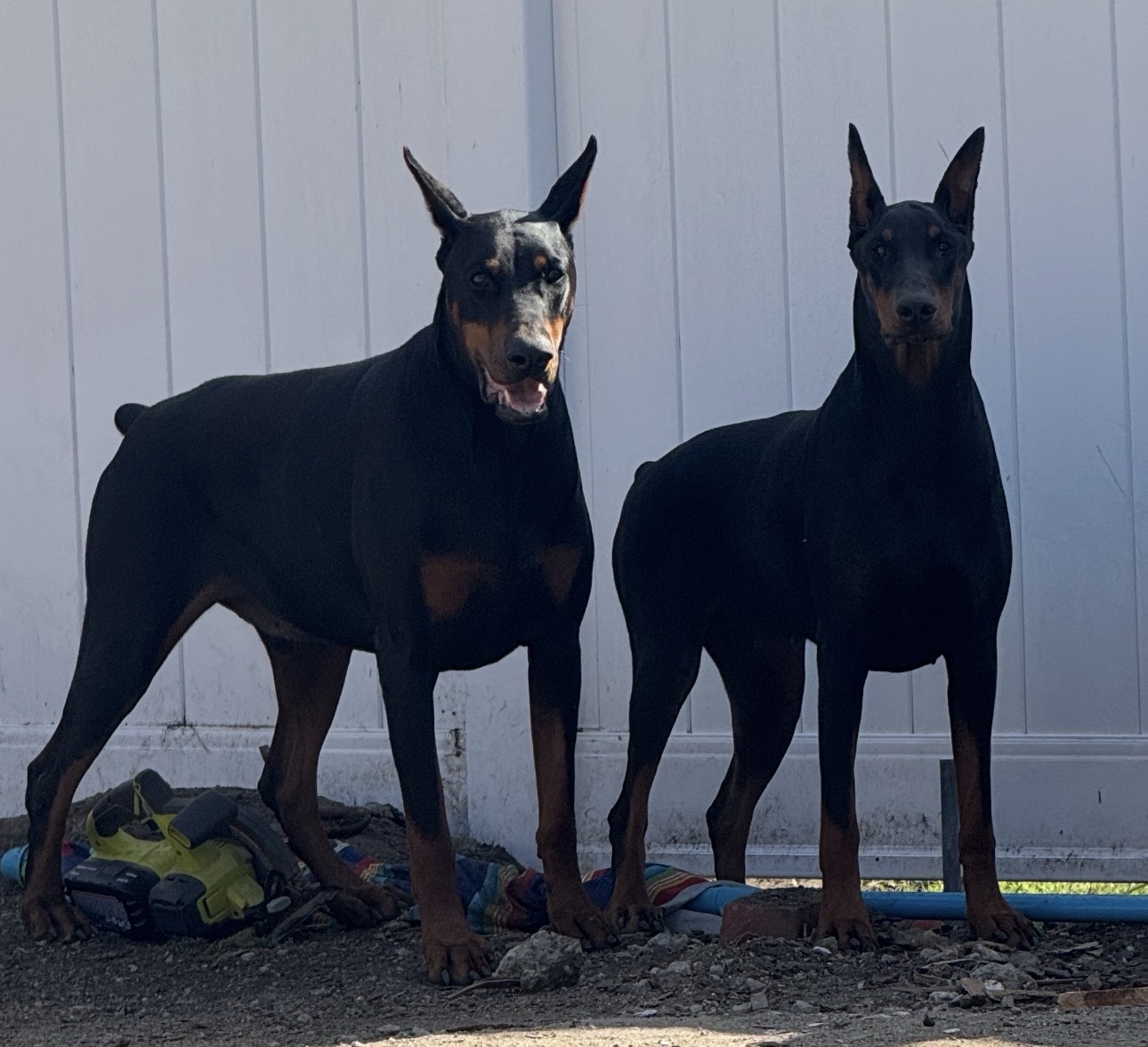
Ace taught me what unconditional love looks like. The price of that love is grief, and I would pay it again a hundred times.
Here is the part I hold onto. Their lives are so much shorter than ours, and I do not think that is an accident. I believe we were meant to have them, even briefly, because they teach us something about love that nothing else can. Patient, joyful, unconditional love. That is the bigger picture. Ace gave me that in four short years, and I will carry it for the rest of my life.
So be gentle with yourself. Let yourself miss them. Talk about them. Keep the photos close. There is no timeline for this kind of love, and there is no timeline for the grief that follows it. And if the sadness starts to feel like more than you can carry, that is what care is for. Reaching out is not weakness. It is what your best friend would want for you.
Sources: Hyland et al., PLOS One (2026), prolonged grief after pet loss; Vets at Home survey on guilt after pet loss; Texas A&M Dog Aging Project research on grief after euthanasia and natural death.
Anthony